
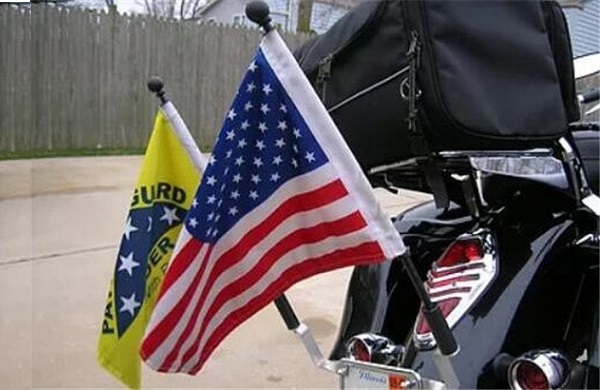
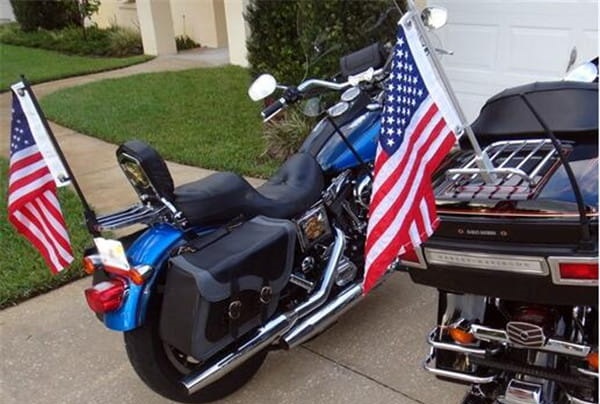
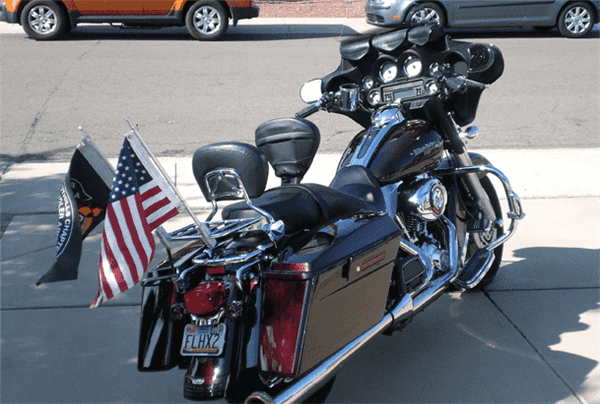
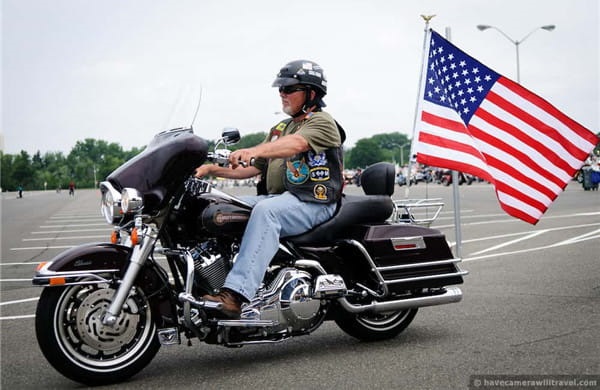
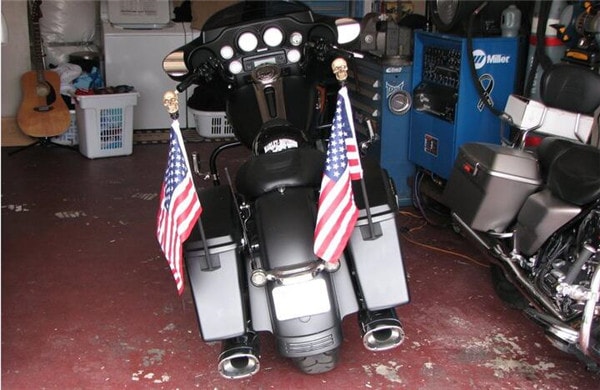
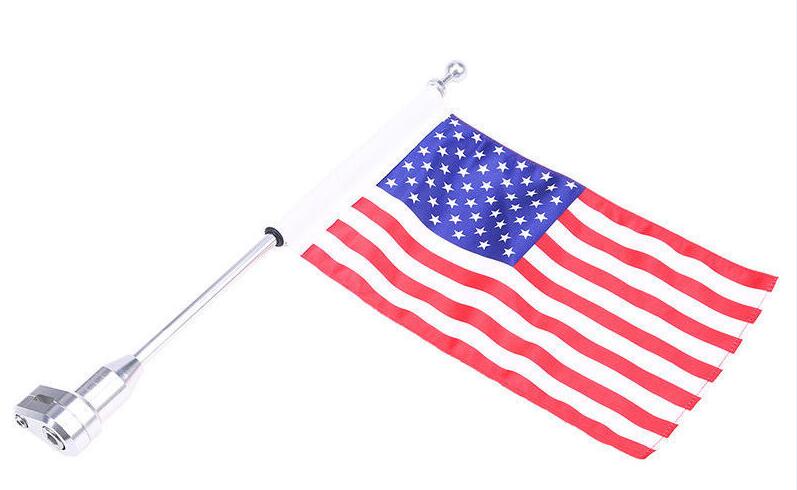
Give Your Motorcycle An Unique Identity With Our Custom Motorcycle Flags!

● Show off your identity on the road with our custom motorcycle flags. You can customize it with your favorite design or slogan to support your sports teams and highlight your hobby or club. Grab everyone's attention when you are on the move.

● Promote business, social events, graduations and more! We allow you as creative as you can, print your company logo, events images or special message on our custom flags. Grab a lot of eyeballs for advertising, brand, service, and special occasions.

● Show your pride of your country. Custom country motorcycle flags is a great way to show your patriotism, peace and international friendship. High quality country flags or state flags we make for your motorcycle, can last and keep for years.
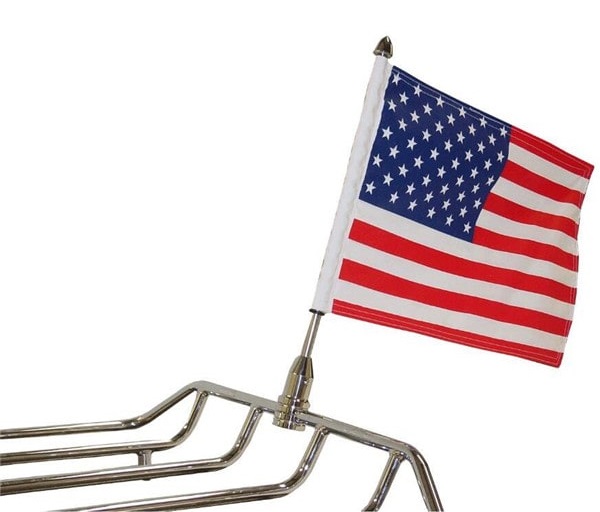
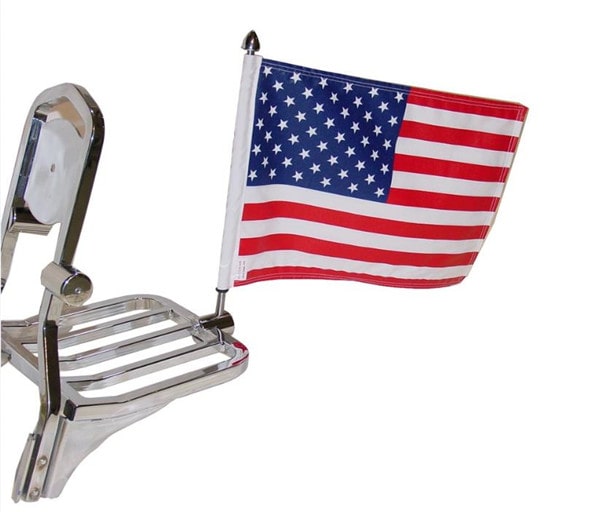
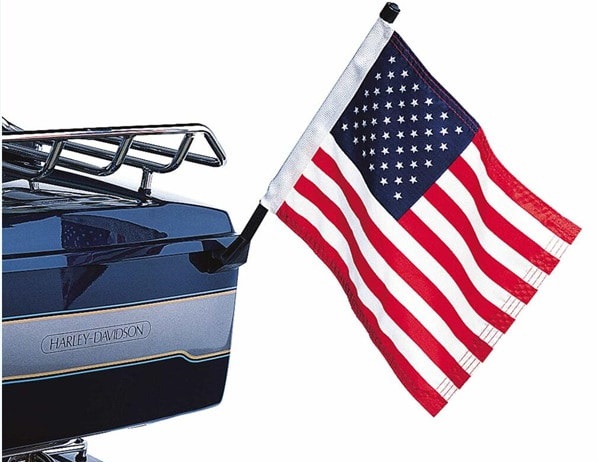
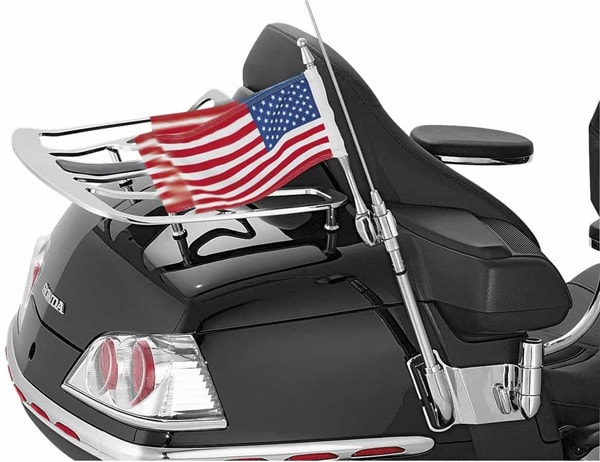
Easy to set up on your motorcycle antennas or luggage rack. We offer high quality flag banner, flag pole and flag holders for your motorcycle, durable enough to withstand highway wind speeds.

Great Craftsmanship for All Custom Motorcycle Flags

● Heat transfer printing in full color: In this printing process, the ink is directly printed onto the flag and the vibrancy of the colors will be locked, the finished motorcycle flags will be outstanding and colors will not fade. What's more, this process allows you to choose as many colors as you desire, including complex transitional and gradient colors.

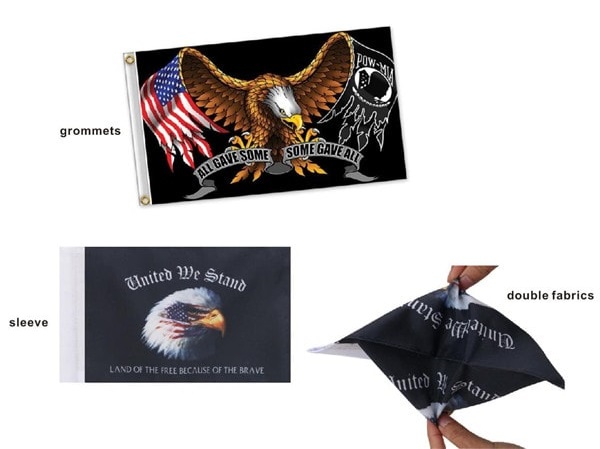
● Sturdy double sided: Each flag is laser cut and then sewn two flags together in stable lines. Guarantee our custom motorcycle flags are more resistant to wind, will not damage or peel when you are in high speed.

● Grommets or flag sleeve: Both are available, we can accommodate to your needs or requirements.

More Product Specifications

Flag fabric: knit polyester, tribute satin

Flag holder material: aluminum alloy, stainless steel

Size: standard small 6"×9", 10"×15" to large 3'×5' or customized

Shapes: standard rectangle or customized

Printing: heat transfer printing

Sides: double-sided

Usage: decoration, celebration, advertising, promotion

MOQ: no minimum, more quantity more discount

Delivery: 5-7 days for small bulk order; 15 days for large bulk order

Shipping: by express DHL, UPS, FEDEX, TNT, EMS for small quantity; by air or sea for large quantity

Artworks: vector file AI, CDR or high res PDF, PSD, JPG

Quick response to any feedback from you, feel free to contact us and get a good quote. During anniversary celebration time, all motorcycle flags are running a discount price, the same good quality, the lowest price in our company history. We are ready to serve you here!

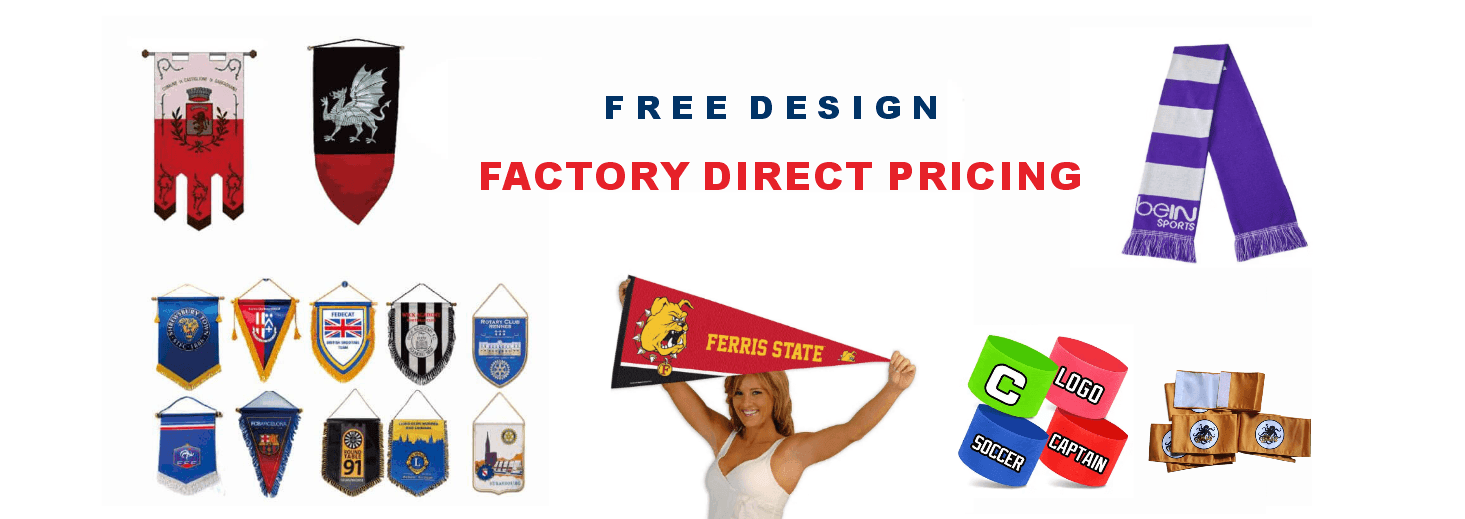
Transaction Process: Free Design → Approval → Invoice → Payment → Production → Free Shipping

Related Information

Custom Motorcycle Flags: The Complete Guide to Materials, Mounts, and Highway Durability

A custom motorcycle flag is not simply a scaled-down version of a car flag. It operates in a fundamentally different physical environment. On a motorcycle, the flag is exposed to uninterrupted wind blast, constant engine vibration, and road shock transmitted directly through a rigid frame with minimal suspension filtering. A flag that survives on a car window for months can shred on a motorcycle luggage rack in a matter of weeks. That is why the specification decisions for a motorcycle flag—fabric weight, pole material, bracket design, and flag size—matter far more than most buyers realize.

This guide covers the engineering behind a motorcycle flag that actually lasts: the materials that resist wind fatigue, the mounting systems that survive highway vibration, the size thresholds that separate a daily rider’s flag from a parade-only flag, and the design rules that keep artwork legible at speed. It also explains how a motorcycle flag fits into a broader mobile branding system that can include bicycles and cars.

Why Motorcycle Flags Fail (and How to Prevent It)

The most common failure mode for a motorcycle flag is not a poor print or a weak seam. It is a mismatch between flag size and the wind load the mount can handle. A flag on a moving motorcycle acts as a small sail. Double the width and height of a flag, and you roughly quadruple the surface area the wind can push against. That force travels down the pole into the bracket, and from the bracket into the sissy bar, luggage rack, or fender.

Industry practitioners describe the failure sequence clearly: a rider bolts a low-cost flag kit to a sissy bar, reaches highway speed, and watches the flag shred into ribbons before the first exit. The pole bends, the bracket rattles loose, and the entire setup ends up in a truck bed at the next rest stop. The lesson is not that motorcycle flags are inherently fragile. The lesson is that flag size, pole strength, and bracket quality must be specified as a system, not chosen independently.

At 70 mph, a 6 × 9 inch nylon flag generates roughly 2 to 3 pounds of drag force. A 10 × 15 inch flag jumps to 6 to 8 pounds. That force is multiplied by every mile ridden. A bracket that feels secure in a parking lot may loosen within 50 miles of highway use if it is matched with a flag that is too large for its design.

Materials: Nylon, Polyester, and the Case for Double-Layer Construction

Motorcycle flag fabric must survive two distinct threats: UV exposure from prolonged sun, and wind fatigue from constant flogging at speed. The material choice determines how long a flag remains presentable.

Nylon: The Highway Standard

Double-layered nylon is widely regarded as the benchmark for motorcycle flags used in regular highway riding. It is lightweight, dries quickly, holds color well, and resists mildew. A quality two-ply nylon flag rated for outdoor use typically lasts 90 to 120 days of daily highway riding before the edges begin to fray. Some manufacturers rate their nylon motorcycle flags for 90 days of continuous outdoor display.

The double-layer construction is important for a reason beyond durability. A single-layer flag printed on one side shows a mirrored image on the reverse. Double-sided flags are made by printing two pieces of fabric and sewing them together with a blockout liner in between, so the design reads correctly on both faces. This construction also adds structural integrity, which helps the flag resist wind fatigue at the edges.

Polyester: Color Retention vs. Wind Performance

Polyester is cheaper and slightly heavier than nylon. It holds color longer than nylon in direct sun, but it does not dry as fast and tends to stiffen in cold weather. Single-ply polyester flags from low-cost suppliers can fray at the edges within 2 to 3 weeks of daily riding. If polyester is specified, look for double-stitched hems and reinforced grommets.

Some riders choose leather or canvas for a custom aesthetic. These materials handle wind well at lower speeds (under 45 mph) but are too heavy and rigid for highway use. A leather flag on a short pole at highway speed creates enough drag to stress even a heavy-duty stainless bracket.

Printing: Dye Sublimation and Edge-to-Edge Durability

Dye-sublimation printing infuses the design into synthetic fibers rather than applying it as a surface layer. The print does not crack, peel, or wash off, and it can run edge to edge across the flag. This is the standard for motorcycle flags that need full-color graphics, gradients, or complex club crests. Screen printing is an option for simple solid-color designs but does not offer the same detail or durability under sustained wind exposure.

Pole and Bracket Engineering: Where Most Flags Fail

The bracket is the weak link in most motorcycle flag kits. Budget brackets use thin stamped aluminum with a single bolt. A quality bracket uses 304 stainless steel or 6061 aluminum with two to four bolts and a rubber-lined clamp that grips without scratching chrome.

Pole Material: Fiberglass vs. Stainless Steel

Motorcycle flag poles are typically 3/8-inch or 1/2-inch diameter, ranging from 9 inches to 18 inches tall. A taller pole gives the flag more visibility but creates more wind drag. Most riders find 13 inches to be the practical sweet spot: tall enough to clear saddlebag lids, short enough to keep flutter manageable at highway speed.

Fiberglass poles flex under wind load rather than bending permanently, which makes them a popular choice for highway use. Stainless steel poles offer greater rigidity and do not rust, but they transmit more vibration into the bracket. The pole should include a secure tip cap to prevent the flag from sliding off or fraying at the top attachment point.

Mounting Systems: Luggage Rack, Sissy Bar, License Plate, and Antenna

The mounting point on the motorcycle determines which bracket style is appropriate.

Luggage rack mounts clamp to the horizontal tubes of a rear luggage rack using a U-bolt or saddle clamp with rubber inserts to protect the chrome. Standard rack tube diameter is 1/2 inch to 5/8 inch. This is the most common mounting location for touring bikes. Sissy bar mounts clamp vertically to the backrest upright. Sissy bar diameter varies significantly (3/8 inch on lighter bikes to 1 inch on heavy cruisers), so measuring the bar before ordering is essential. License plate mounts bolt directly to the plate frame using existing holes. Some states require the license plate to remain unobstructed, so the mount should be positioned to one side and local regulations checked. Antenna-style mounts replace the stock radio antenna with a flag pole adapter. This requires zero drilling and zero clamps, but is limited to bikes with a threaded antenna mount.

Flag Size Matrix: Matching the Flag to the Ride

Motorcycle flag size is a question of wind load, not aesthetics. The standard size recommendations below reflect the practical limits of bracket strength and flag durability at different speeds.

Motorcycle Flag Size and Speed Rating Reference
Size Best For Typical Speed Range Wind Load
6 × 9 inchesHighway cruising, daily riding70+ mphLow
8 × 12 inchesMixed riding, short highway runsModerateModerate
10 × 15 inchesParades, rallies, group rides35–55 mphModerate to High
12 × 18 inchesSlow-speed display, trikes, sidecarsUnder 45 mphHigh
3 × 5 feet (porch flag)Never for a motorcycleN/ADangerous

Many riders keep both a 6 × 9 flag for the road and a 10 × 15 flag for events, swapping them depending on the ride. A 12 × 18 flag on a standard 13-inch pole at highway speed pulls hard enough to loosen a single-bolt clamp bracket within 50 miles. Anything larger than 12 × 18 inches is not safe for a two-wheeled motorcycle at any speed.

Design Rules for Legibility at Speed

A motorcycle flag is viewed from a moving vehicle behind the rider, often at a distance of several car lengths, in variable light, and through a vibrating frame. The strongest designs follow a few rules.

One dominant element per face. A 6 × 9 inch flag cannot hold a logo, a tagline, a website, and a social handle. Choose the single element that does the job—a club crest, a single-color logo, or a high-contrast emblem—and let it fill the available space. High contrast, bold shapes. Fine serif typography and thin line work disappear on a small, moving flag. Block lettering, solid color fields, and simplified icons read more reliably. Test at distance. A design that looks sharp on a monitor may blur at the size and viewing distance of actual use. Review a digital proof at actual size before production. Double-sided printing doubles the communication surface. One face can carry the brand mark while the other carries a message, a website, or a secondary emblem.

Safety, Compliance, and Etiquette

Motorcycle flags must not interfere with the rider’s control of the bike or obscure required equipment. Flags should be mounted so they do not block the rearview mirrors, turn signals, brake lights, or license plate. In the United States, there is no federal law specifically banning motorcycle flags, but individual states impose restrictions on flag size, placement, and obstruction of required vehicle equipment. Checking local motor vehicle codes before a permanent installation is a practical precaution.

For American flag displays, U.S. Flag Code places the flag in the position of honor, which is the motorcycle’s right side from the rider’s perspective. This applies whether the flag is mounted on a luggage rack, sissy bar, or license plate. A drop of blue thread-locker on mounting bolts adds ten seconds to installation and prevents the bracket from rattling loose from engine vibration over time. Flags should be removed before entering automated car washes and inspected periodically for frayed edges or loose hardware.

Building a Complete Mobile Branding System

A motorcycle flag is one of the most visible pieces of mobile branding a rider or organization can deploy. But it works best as part of a larger visual system. The same crest, color palette, and typographic style that appear on a motorcycle flag can and should extend across other vehicles and formats.

For organizations that operate two-wheeled fleets beyond motorcycles—courier services, campus safety teams, community outreach programs—Custom Bicycle Flags extend the same identity logic to a lower-speed, ground-level format. A bicycle flag serves both as a safety device and a brand touchpoint, turning a commuter or delivery rider into a visible, approachable representative of the organization. For businesses and events that require four-wheeled visibility, Custom car flags carry the same design language onto sedans, vans, and service vehicles, creating a unified presence across every mode of transport the organization uses.

The principle across all of these formats is the same: one design system, multiple vehicle types. An organization that has a logo, a Pantone-matched palette, and a clear visual hierarchy can extend that system to motorcycles, bicycles, and cars without rebuilding the artwork for each vehicle. The result is a brand that is instantly recognizable whether a rider is passing on the highway, a cyclist is navigating city streets, or a service van is parked at a job site.

Ordering and What to Prepare

Before placing a custom motorcycle flag order, prepare three things: artwork, mounting measurements, and a size decision.

Artwork. Vector files (AI, EPS, or PDF) produce the sharpest print. High-resolution raster files can be used for dye-sublimation in many cases, but vector is the safer starting point for logos and crests. Mounting measurements. Measure the diameter of the tube or bar where the bracket will attach, and confirm whether the mounting point is a luggage rack, sissy bar, license plate frame, or antenna base. A bracket designed for a 1/2-inch bar will not fit a 1-inch tube. Size decision. If the flag will be used primarily at highway speeds, specify 6 × 9 inches. If it is for parades and rallies, 10 × 15 inches is appropriate. For trikes and sidecars, 12 × 18 inches may be acceptable at reduced speeds.

Standard production timelines for custom motorcycle flags typically run in the range of two to three weeks after proof approval, depending on the fabric and printing method. Every order should include a digital proof at actual size. Review the proof for legibility at the final dimensions and confirm that the design reads correctly on both faces if double-sided printing is specified.

Frequently Asked Questions

What size motorcycle flag is best for highway use?
6 × 9 inches is the standard highway size. It handles speeds above 70 mph with minimal wind drag. 10 × 15 inches is a parade and rally size, generally used at speeds under 55 mph.

How long does a motorcycle flag last?
A quality double-layered nylon flag lasts approximately 90 to 120 days of daily highway riding. Single-ply polyester flags from budget kits may fray within 2 to 3 weeks.

Can I use a car flag on a motorcycle?
No. Car flags are too large and catch too much wind for a motorcycle bracket. They stress the mount and can obstruct the rider’s rear view.

Do motorcycle flags come with a pole and bracket?
Complete kits include the flag, pole, and mounting bracket. Replacement poles and brackets are also available separately from most manufacturers.

What material is best for a motorcycle flag?
Double-layered nylon is the benchmark for highway use. It is lightweight, dries fast, and resists wind fatigue better than single-ply polyester.