
Custom Toothpick Flags for Food Branding & Events

Make every bite memorable with personalized toothpick flags designed to elevate your food presentation, enhance brand identity, and delight guests at any occasion. Whether you're a restaurant launching a new menu item, a caterer styling a wedding buffet, or a startup sampling products at a trade show, our custom flag toothpicks add a professional, playful, and instantly recognizable touch.

Crafted from high-quality, food-safe materials and printed with vibrant, smudge-resistant inks, our flags are built to stand out—literally and visually. Choose from a variety of sizes, shapes, and finishes, or work with our design team to create fully branded flags that reflect your logo, colors, and message. From elegant monograms for upscale events to fun seasonal designs for holidays like Halloween or Christmas, the possibilities are endless.

Small in size but big on impact, custom toothpick flags turn ordinary appetizers into branded experiences—and your customers into loyal fans.

Explore how our range of creative designs can help you showcase your unique style and brand, ensuring every dish stands out with flair and originality. From customizable options that reflect your personal taste to specialized flags tailored for specific events, discover why custom toothpick flags are becoming a must-have accessory for food enthusiasts and professional caterers alike.

Custom Toothpick Flag Template

Why Choose Us for Custom Toothpick Flags

  • NO SETUP FEES
  • Food Safe & FDA Compliant
  • Double-Sided Print Included
  • Pantone Matches & Unlimited Colors
  • Different Designs on Front and Back
  • Flag Size: 1" x 1.5". Any size and shape customizable.
  • Toothpick Length: 2.5", 3", 4", 6", 8" (Customizable to any length based on your requirements)

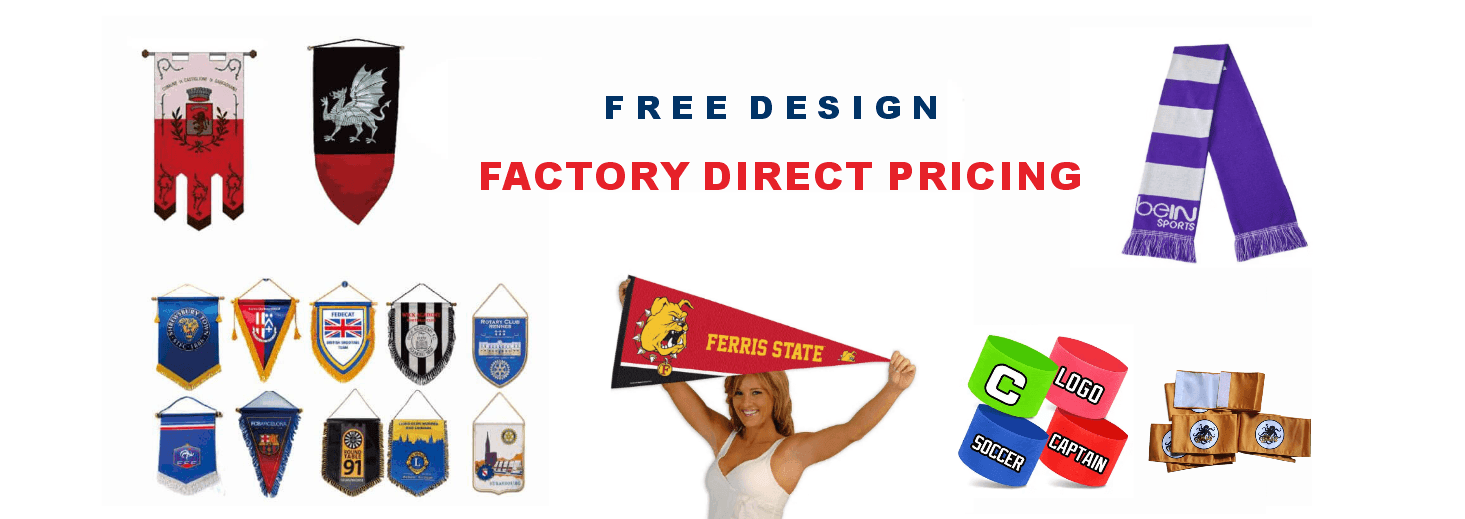
Free Design, Free Shipping & Factory-Direct Pricing

No design artwork? No problem. Send us your logo. AI or CDR vector files are best; high-res JPG, PDF, or PSD is also acceptable. Our designer will create the design for free.

Our minimum order quantity is 500 pieces. The more you order, the greater the discount. For orders exceeding 10,000 pieces across all sizes, you'll enjoy an exceptionally low price.

The economical turnaround time from design approval to your receipt is 15 working days (with free shipping).

Included in the price: square flag (1" x 1.5") and 2.5" toothpicks, with no setup fee and unlimited colors.

Custom Toothpick Flag Pricing by Quantity (USD)
Flag Size / Price 1,000 pcs 2,000 pcs 3,000 pcs 5,000 pcs 10,000 pcs 10,000+ pcs
1"x1.5" $0.18 $0.15 $0.12 $0.11 $0.10 Contact us
We can tailor any aspect of your toothpick flags to suit your needs.
No hidden fees.
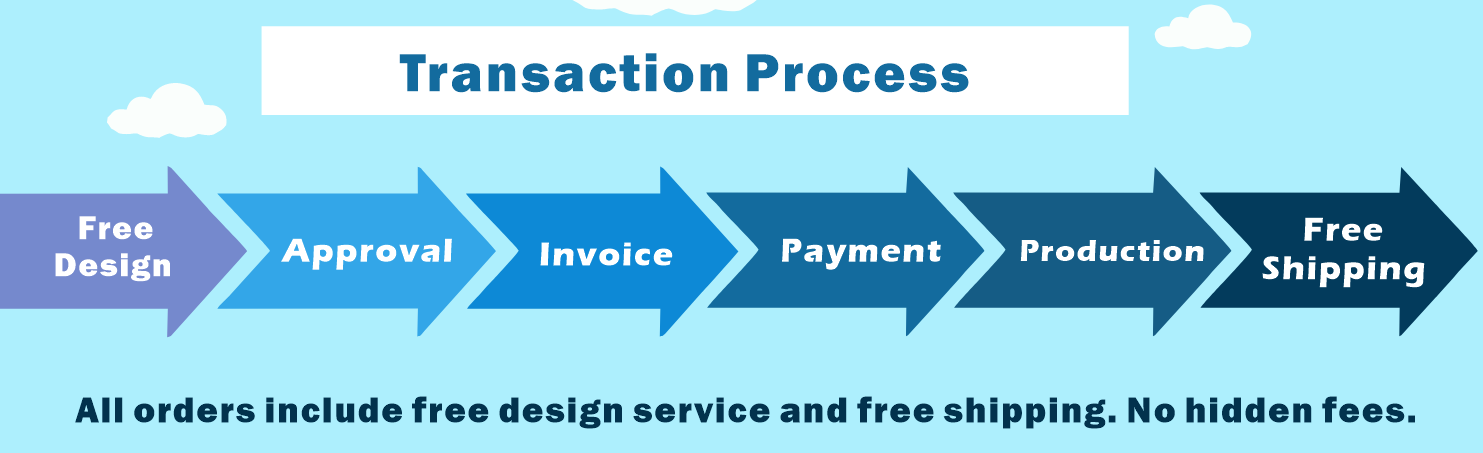
Custom toothpick flag order process: free design, proof approval, production, free shipping

Related Information

The Complete Guide to Custom Toothpick Flags: Materials, Sizes, and Food-Safe Branding

A custom toothpick flag is the smallest branded object a food business owns. It is also the only one that travels with the product: it arrives on the plate or in the glass, it is picked up by the guest, it appears in the photograph, and it is gone before the bill is paid. Nothing else in the branding toolkit gets that much direct physical contact for so little cost per unit. On a large banner or a menu board, a slightly soft print or a lifted corner is a detail nobody notices. On a 3.5 cm square of paper standing on top of a burger, it is the entire object. A flag that droops into the icing, lifts its print in a greasy basket, or softens in the condensation of an iced drink does not simply look cheap — it contradicts the standard the rest of the plate is working to communicate.

That is exactly why the specification decisions matter more than the size of the object suggests. This guide covers the applications that make toothpick flags valuable, the paper and stick materials that determine whether they survive contact with food, the reference sizes that match different dishes, and the design rules that keep artwork legible on a canvas measured in centimeters.

Why Such a Small Object Earns Its Place on the Plate

Food-side branding works differently from wall-side branding. A poster is read before the meal; a flag is handled during it. That single mechanical difference explains why the format survives in operations that have cut almost every other printed item. Four things happen at once when a flag goes out with a dish.

It is consumed with the meal, so it stays in the guest’s hand and in their field of view for minutes rather than seconds. It appears in customer photographs and in delivery-platform imagery, which is where a large share of new-customer decisions are now made. It labels the dish — for guests choosing from a shared platter, and for staff running food to a table. And it carries the theming of an event: a colour, a date, a monogram, a campaign. For restaurants, caterers, bakeries, bars, and event planners, it is a low-cost, high-contact branding channel that most competitors overlook.

Decorative vs. Functional: The Two Jobs a Toothpick Flag Can Do

The distinction that matters most when specifying is between a decorative pick and a functional pick.

A decorative pick exists to look right. It carries a logo, a colour, a shape that matches the dessert or the season. Its job is aesthetic and its success is judged in a photograph. This is the classic use case: a cupcake topper with a bakery’s logo, a cocktail garnish with a monogram, a dessert flag in a wedding’s colour palette.

A functional pick carries information the operation depends on. That includes a dish name on a buffet line so guests know what they are taking, an allergen or dietary marker so a guest can identify the vegetarian or gluten-free option without asking, an order identifier at a busy pass, or a station marker at a catered event where three different menus are running in the same room.

Most venues end up using both. A plated dessert gets the decorative flag with the logo; the buffet and the catering line get the functional flags that prevent questions. Both are the same physical product — the difference is entirely in how the artwork is planned.

Materials: Paper, Lamination, and Stick Construction

The two components that determine whether a toothpick flag performs are the paper and the stick. Both come into direct contact with food, so food-safety compliance is not optional — it is the baseline.

Paper: Coated Art Paper and Offset Paper

The standard flag paper is coated art paper with a self-adhesive construction, typically supplied with a gloss lamination that provides light water and oil resistance. This lamination is what allows a flag to stand upright on a cocktail glass without immediately softening from condensation, or to sit on a greasy appetizer without the print lifting.

Another common specification is food-safe wood-free offset paper, often around 120 g/m², which meets strict food and hygiene regulations. Heavier stock — 240 gsm and above — offers a more substantial hand-feel and holds its shape better on larger flag sizes. For cold drinks and iced desserts, a gloss or matte lamination is essential; uncoated paper will wick moisture and droop within minutes. For hot or greasy foods, the lamination grade and the adhesive used at the fold are the variables that determine whether the flag survives the plate.

Stick: Bamboo, Birch, and Wood

The stick is usually natural bamboo, birch, or another food-safe wood. Bamboo and birch are both lightweight, splinter-resistant, and biodegradable, which matters for venues and events with sustainability commitments. Stick length is matched to the dish: short picks for canapés and cupcakes, longer picks for burgers, sliders, and tall glasses.

Standard toothpick lengths run from 65 mm for small canapé flags up to 150 mm or longer for burger and cocktail applications. The stick should be long enough that the flag clears the food surface and remains visible, but not so long that it becomes unstable. For delicate items like petit-fours and soft desserts, a thinner gauge pick is less likely to cause the food to crack or split.

Sizes and Shapes: Matching the Flag to the Food

Toothpick flags are die-cut, and each shape has a natural application. The reference dimensions below are the sizes most commonly produced across the industry.

Square (around 3.5 × 2.5 cm) works best for dense canapé and petit-four clusters where flags sit close together. Rectangular (around 4.5 × 3 cm) is the classic choice for burgers, sliders, and sandwiches; it provides a short horizontal space for a dish name with a logo. Streamer / wave (around 4.5 × 3 cm) offers a lighter, more decorative look on platters and dessert boards. Round (around 3 × 3 cm) is ideal for logo-only flags and cupcake toppers. Vertical banner (around 3 × 5 cm) suits tall glasses and drinks where the flag needs to stand above the rim.

For custom orders, shapes can be die-cut to match a brand mark or a specific food item. A flag shaped like a coffee bean, a leaf, or a simplified version of a logo silhouette can be produced, provided the die-cut line is clean and the artwork remains legible at the final size. Very intricate shapes are possible, but they add tooling cost and are more difficult to separate cleanly from the backing paper.

Design Rules for a Canvas Measured in Centimeters

A toothpick flag is viewed at close range, but it is also viewed in motion, in variable light, and often through a phone camera. The strongest designs follow a few rules.

One idea per face. A 4 cm rectangle cannot hold a logo, a tagline, a website, and a social handle. Pick the single element that does the job — a crest for a wedding, a logo for a brand activation, a dish name for a buffet — and let it fill the space.

High contrast, bold shapes. Fine serif typography and thin line work disappear on a small, laminated surface. Block lettering, solid color fields, and simplified icons read more reliably. If a logo contains fine detail, a simplified “flag version” of the mark is usually more effective than shrinking the full logo.

Double-sided printing doubles the canvas. Many toothpick flags are printed on both sides, which allows different information on each face — a logo on one side and a dish name or dietary marker on the other, or two different event sponsors on the front and back. This is particularly useful for functional flags where one side serves the guest and the other serves the staff.

Check the fold. A toothpick flag is folded over the stick, so the artwork must be planned around the fold line. Elements placed too close to the fold can be crimped or partially hidden. A digital proof reviewed at actual size, not zoomed to fill a screen, is the safest way to confirm that the design survives the fold.

From the Plate to the Room: Building a Complete Visual System

A toothpick flag is often the smallest piece of branding an operation orders, but it works best when it is part of a larger visual system. The same colors, crest, and typographic style that appear on a 3.5 cm flag can and should extend across the rest of the venue, the event, and the merchandise.

For catered events, conferences, and activations, hand banners put the same brand into the hands of a crowd, creating a visible block of color and identity at entrances, photo moments, and guided sessions. At stadiums, school fairs, and outdoor events, custom stick flags scale the same design up to a hand-held format that supporters can wave and carry. For tour operators, conference wayfinding, and group travel, tour guide flags apply the same identity logic to a practical navigation tool — a flag that a group can follow and a guide can hold aloft without effort.

And for the table itself, the toothpick flag is the final layer of a system that can include napkins, menu cards, coasters, and signage. The principle is the same across all of these formats: one design system, multiple scales. A restaurant, a caterer, or an event planner that has a logo, a Pantone-matched palette, and a clear typographic style can extend that system from a 3.5 cm flag to a hand-held banner without rebuilding the artwork for each item. The result is a brand that looks coherent whether a guest is holding a cocktail with a custom toothpick flag or standing in a crowd holding a hand banner above their head.

Ordering Considerations: Quantities, Turnaround, and Proofing

Toothpick flags are typically ordered in larger quantities than other printed items because they are consumed one per dish or one per drink. Minimum order quantities vary by manufacturer and by construction; small-batch options exist for venues that want to test a design before committing to a larger run, while volume pricing brings the per-unit cost down significantly at quantities of 1,000, 5,000, or more.

Standard production for custom toothpick flags usually runs in the range of 7 to 10 business days after proof approval, depending on the printing method and the finishing requirements. Rush options may be available for events with fixed dates, but the fold, lamination, and die-cutting steps all take time, so it is worth confirming the production window before placing an order for a time-sensitive event.

Every order should include a digital proof at actual size. Review the proof for legibility at the final dimensions, contrast between the artwork and the paper, and the placement of elements relative to the fold line. For double-sided flags, confirm that both faces read correctly and that the front and back are not competing for the same visual weight. A proof that looks clear on a large monitor can behave very differently when printed on a 4 cm laminated rectangle.

Care, Storage, and Food Safety

Toothpick flags are a single-use item, but they should be stored correctly before use. Keep them in a cool, dry place away from direct sunlight; laminated paper can warp or the adhesive at the fold can soften in high heat. Do not store them near strong odors, as paper can absorb smells. For food-safety compliance, confirm that the paper, lamination, adhesive, and stick materials are all specified as food-safe by the manufacturer. This is not a place to assume — it is a place to ask for documentation.

Frequently Asked Questions

What are toothpick flags made of? The flag is typically coated art paper or food-safe offset paper, often with a gloss lamination for moisture and grease resistance. The stick is usually bamboo, birch, or another food-safe wood.

What is the standard size? Common flag sizes range from around 3 × 3 cm for round logo toppers to 4.5 × 3 cm for rectangular burger flags. Stick lengths range from 65 mm for canapés to 150 mm or more for burgers and tall cocktails.

Can I print different designs on each side? Yes. Double-sided printing allows different artwork on the front and back, which is useful for combining a logo with a dish name or dietary marker.

Are custom toothpick flags food-safe? Food-safe materials are available and are the standard for commercial food contact. Confirm the specific paper, lamination, and adhesive specifications with the manufacturer before ordering.

What is the minimum order? Minimums vary by manufacturer and construction. Small-batch options exist for testing, and volume pricing applies at higher quantities.

How long does production take? Typical production runs 7 to 10 business days after proof approval. Rush options may be available depending on the manufacturer and the order size.